A Look into Our Investing Process
As we plan for the coming months and quarters, we rely heavily on the process that guides our investment decisions. Rather than reacting to headlines

As we plan for the coming months and quarters, we rely heavily on the process that guides our investment decisions. Rather than reacting to headlines

AI Adoption Accelerates as Tariffs and Inflation Risk Loom Under New Legislation The Age of AI: Full Speed Ahead The pace of artificial intelligence (AI)

If the last two years have taught us anything, it’s that inflation can become a formidable bar to clear when trying to achieve financial independence
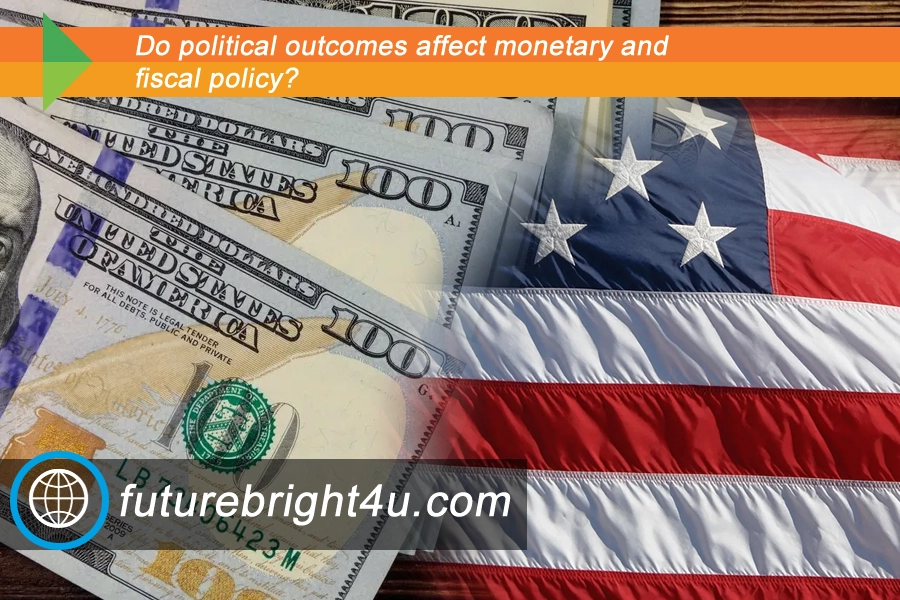
This year, more than any other election year, I’ve been fielding questions about how the outcome of elections might affect your personal investments. T. Rowe Price put out some data earlier this year that showed the average stock market return in election years…
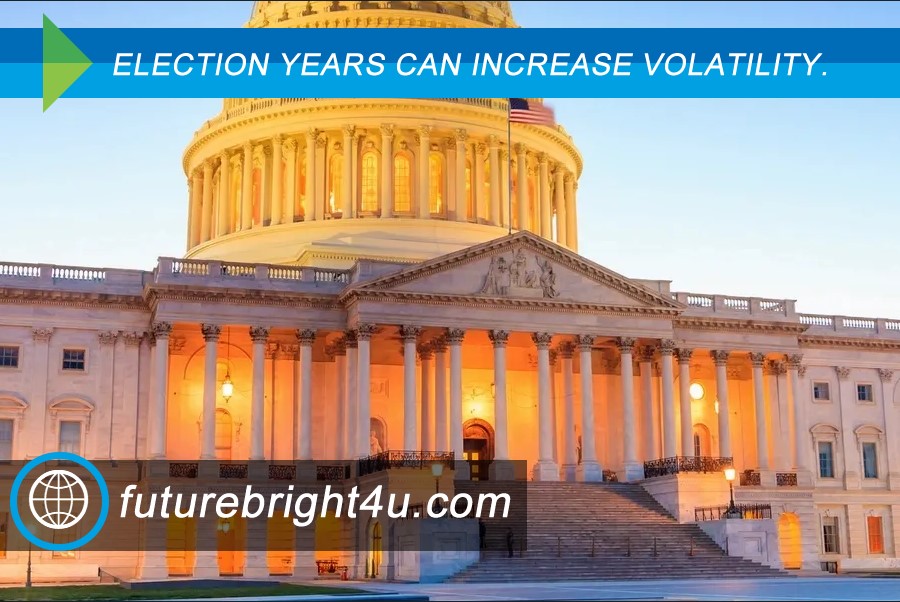
Election years are often marked by increased volatility. Investors are generally uncertain about potential policy changes and their impacts on various sectors. This uncertainty can lead to short-term fluctuations in stock prices. This is especially true when the election outcome is still highly unpredictable.
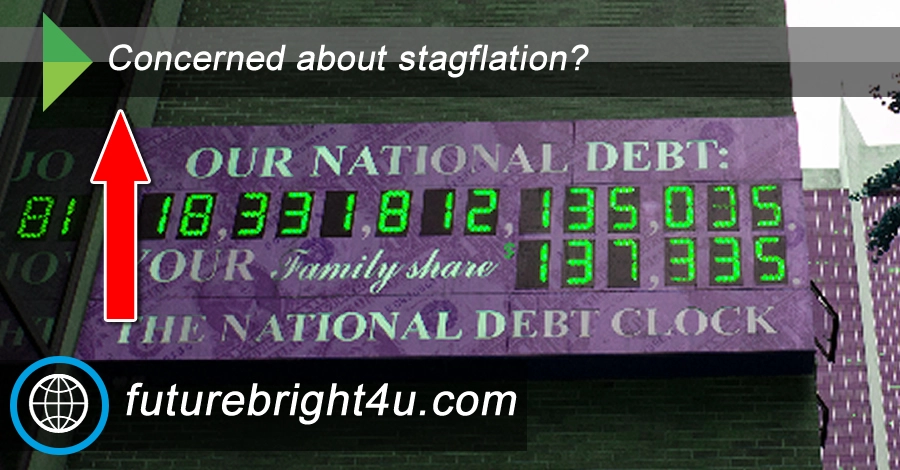
For some portfolio managers and investors, the desire for Fed interest rate cuts is akin to that of a sugar addict’s desire for his or her next candy fix. Both are signs that there are greater problems afoot. I’ll stick with the interest rate discussion since I’ve been known to enjoy one too many desserts, and I don’t qualify as a pillar of optimal health.